On Extravagance in Opposition to the Mundane
Blog post written by J.P. Greene, inspired by his time spent at Ivy Manor
Poet & Author @typewrittenlovenotes
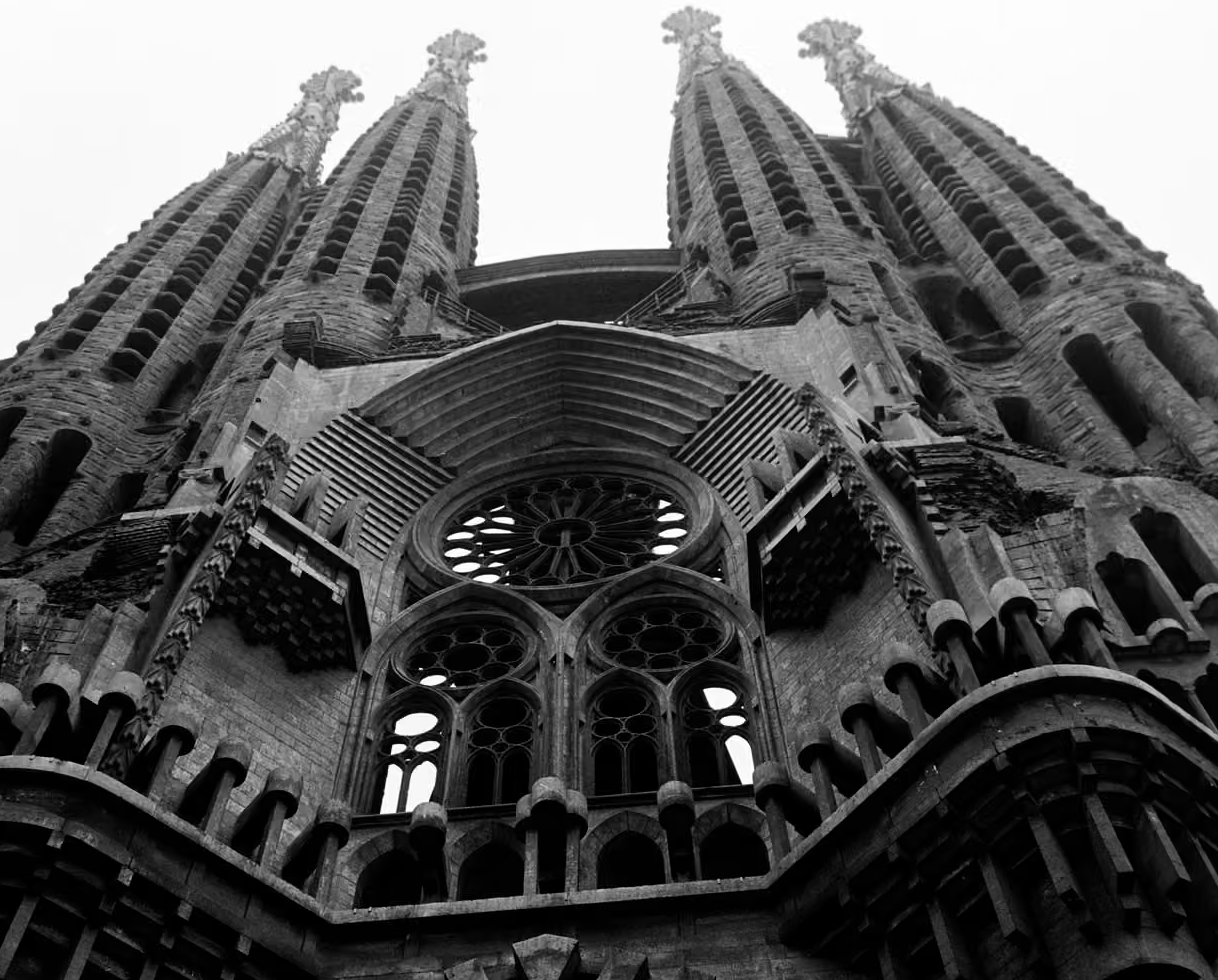
The facade of the Sagrada Familia basilica, Barcelona 1975. Photograph: United Archives/Getty Images
When I visited the Basílica de la Sagrada Familia in Barcelona, I was, naturally, astonished by its size.
The scale of the central nave alone, ceilings, arches, buttresses, and stained glass soaring 150 feet overhead, is enough to quiet a person, and make them feel small. But in the years since that first visit, it is another aspect of that building that has stuck with me: It’s still not finished.
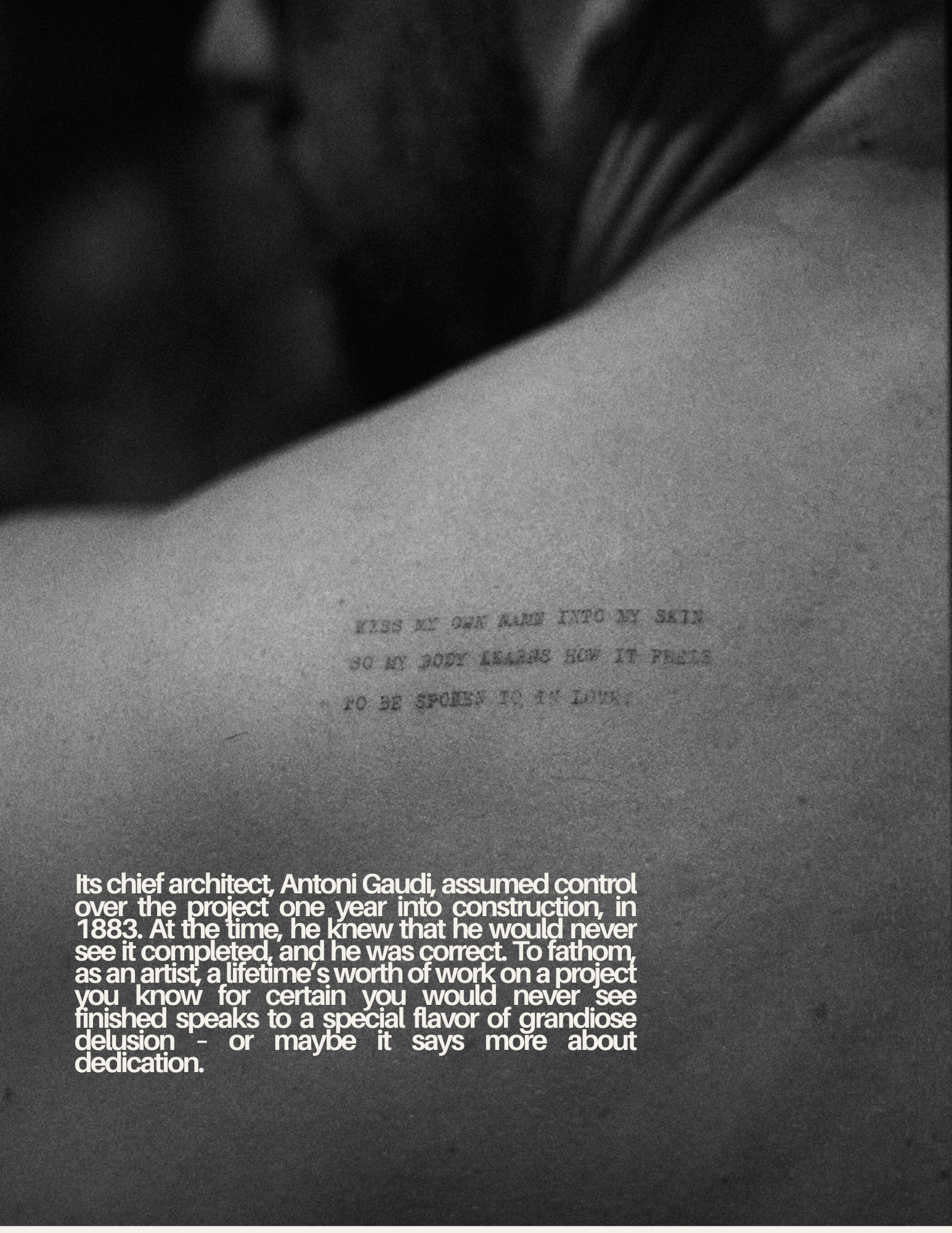
The Sagrada Familia is one of those places where every square inch holds an astonishing level of detail. That it is predominantly made of stone, carved by hand over more than a century, would make it all completely unbelievable if not for the fact that you can stand before it and see it with your own eyes.
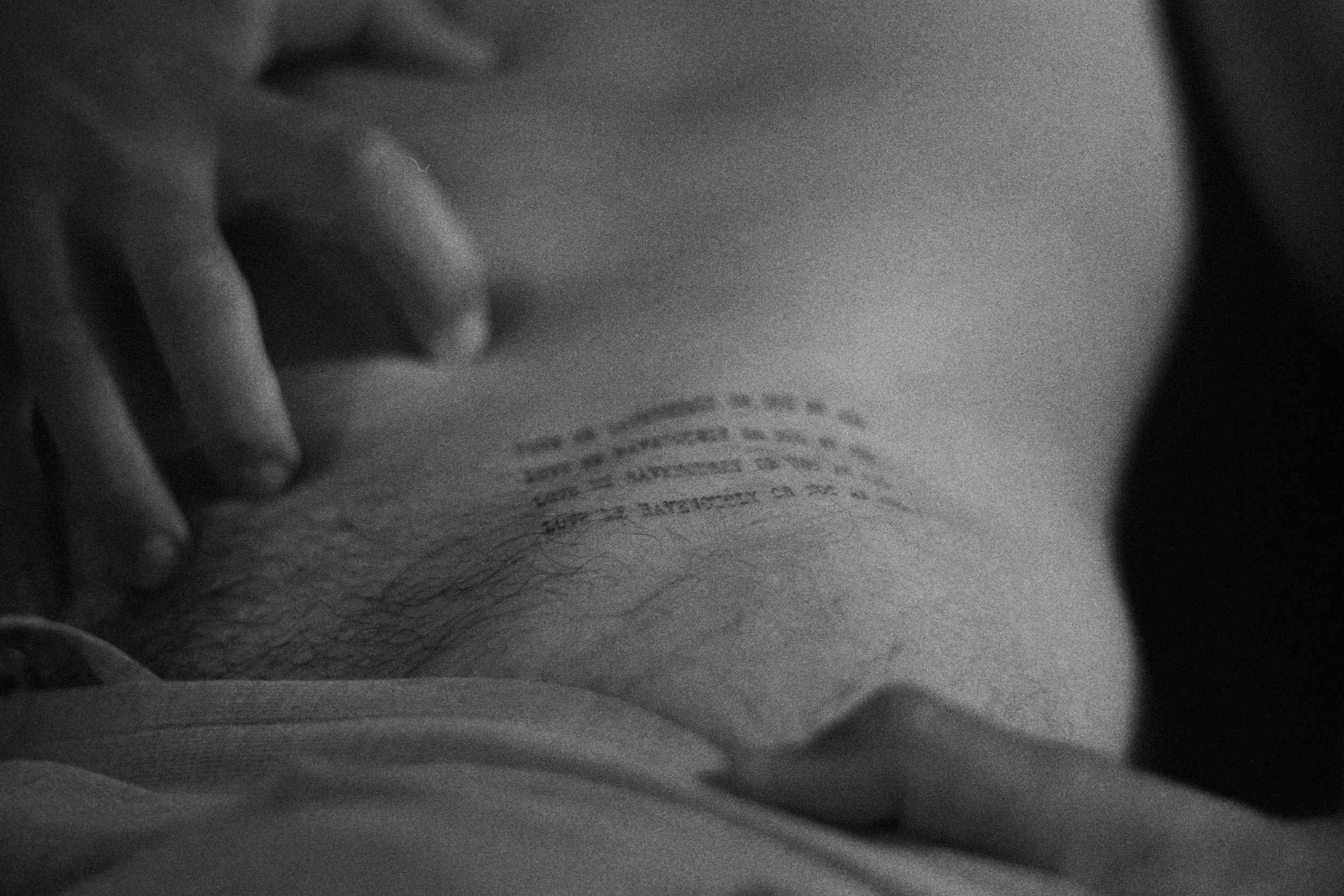
So why? Why did he do it? Why has any artist in the history of art undergone such perilous dedication to extravagance and detail? Why do filmmakers, authors, photographers, painters, sculptors, welders, and musicians work for a lifetime on perfecting the small, imperceptible aspects of their craft that will mostly go unnoticed?
In June, I visited an estate called Ivy Manor in the hills of Southern California’s Wine Country.
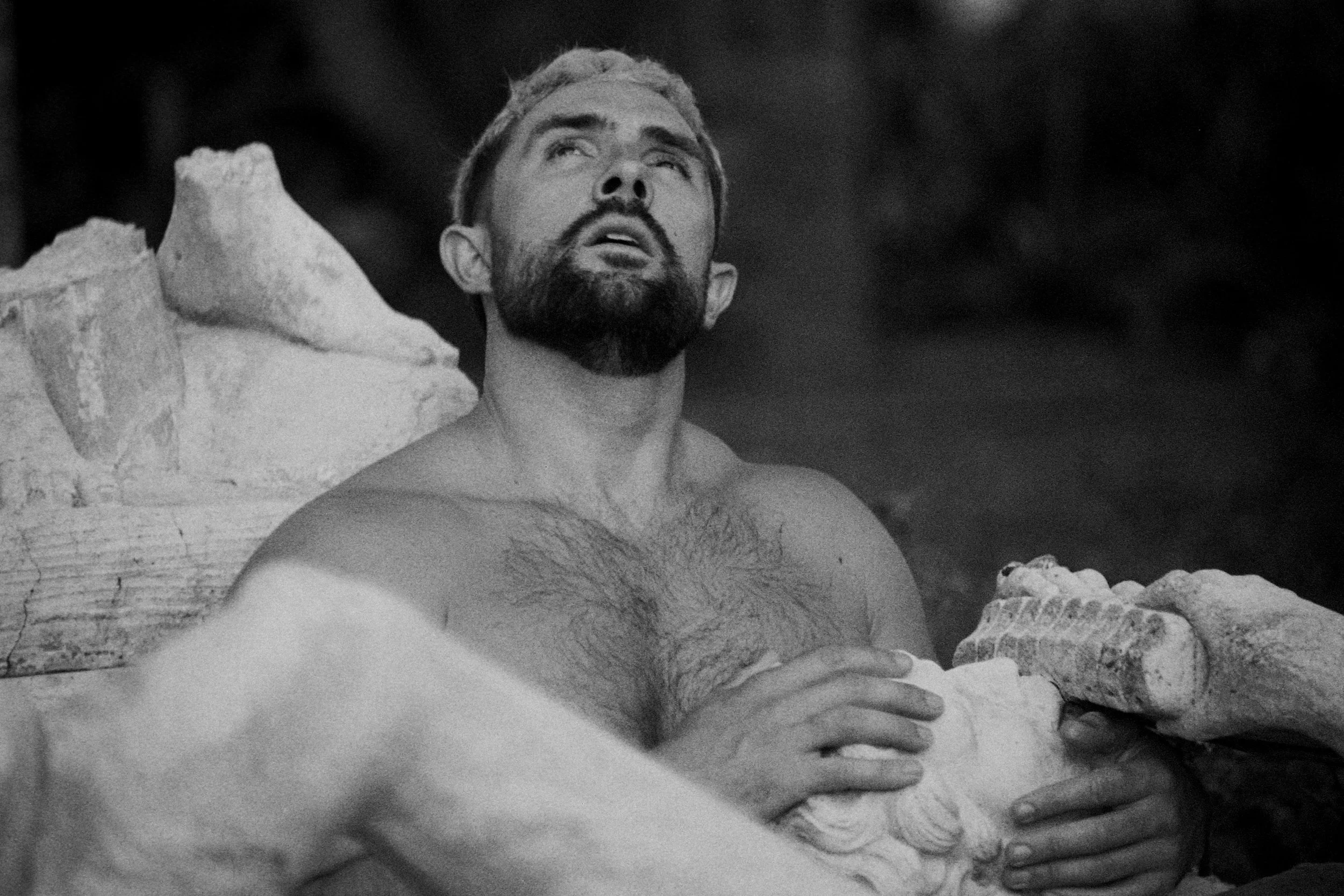
Similar to the Sagrada Familia, Ivy Manor began many decades ago and has continued on under the stewardship of individuals who have chosen to be faithful to its original magic. And, similar to that basílica mágica in Barcelona, it contains a startling depth of extravagance.
The stated purpose of my trip to California was two-fold: To shoot photographs for a long-term project as well as some new collaborations, and to shake things up.
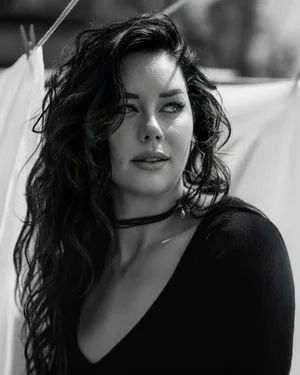
The risk of a space that lends itself so beautifully toward one thing (like weddings, in the case of this estate) is that it can become all-consumed by that one thing. Like an actor typecast in a series of roles they can do well. But humans and spaces are not meant for homogeny or unilateralism. We thrive with variety. And so I, as a semi-strange writer and fine art film photographer, was invited to come create among the walls and gardens and hills in hopes of blowing away some of the creative cobwebs.
I cannot help but feel that I left with as much novelty as I helped to introduce. My stay was brief, and it was dizzyingly full of art, conversation, and scheming. In just over 36 hours, I worked on five different shoots, yielding something like 16 to 20 rolls of film. I also found myself lost in hours of conversation with the people who care for the space, and even still managed to shoot a handful of self-portraits, write a good bit, and take the occasional nap. This sort of output does not happen on the average Wednesday.
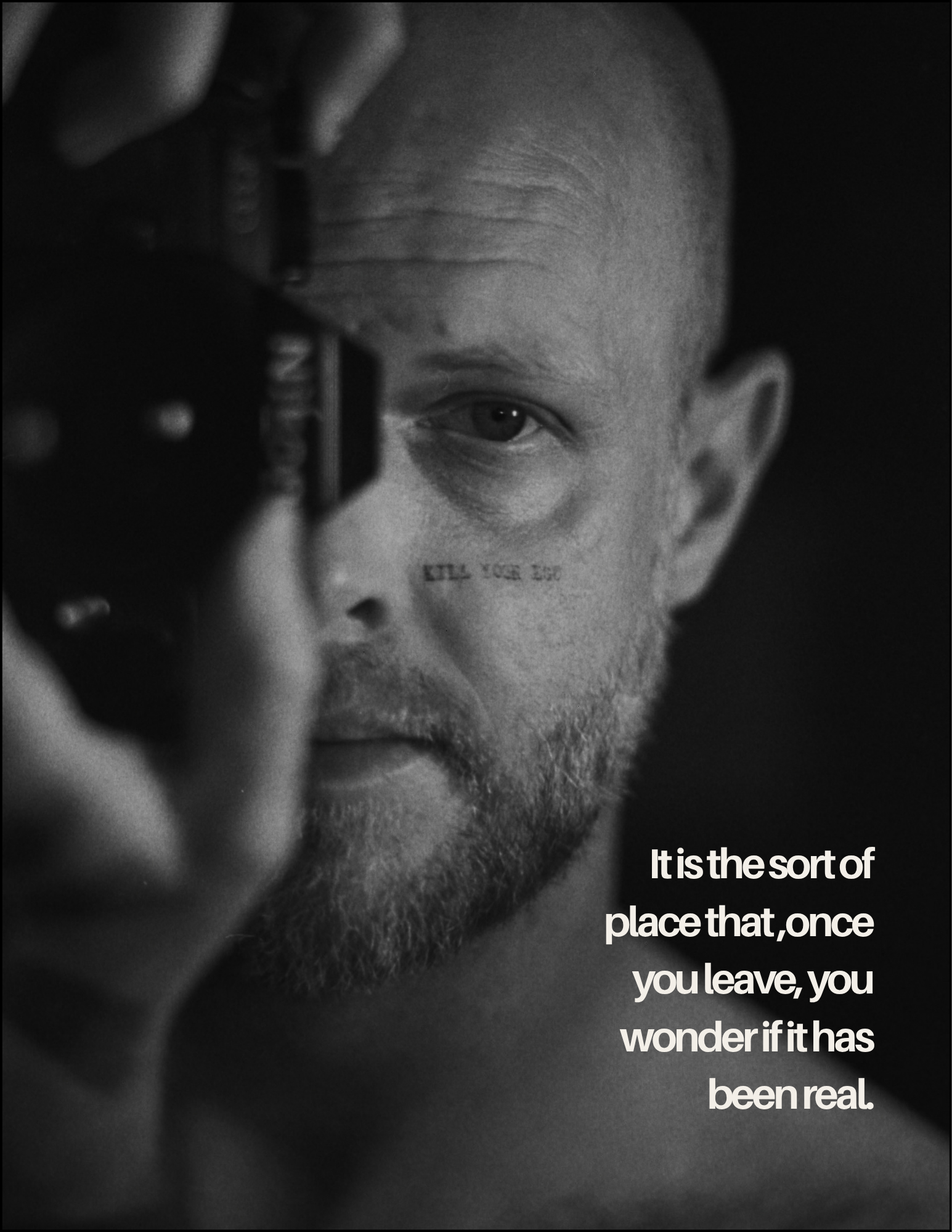
I’m not saying that extravagance is necessary for creativity, and I’m not insinuating that rapid, prolific output is any better or worse than a meticulous and life-long effort. My point here is somewhere else, and it has to do with the artist’s proclivity for excess.
We, The Artists, have always reached for the luxurious, whether it was Hemingway having oysters at a café in Paris in the middle of the afternoon in 1923, or Paolo Veronese painting his enormous Wedding at Cana in the 1500’s, or Gaudi’s dedication to a project so extravagant he would never see it finished. I believe this is a human yearning more broadly, but it would appear that The Artists seem to serve it with greater abandon, often far beyond the point of reason.
So why, I will ask once again. Why are we like this?
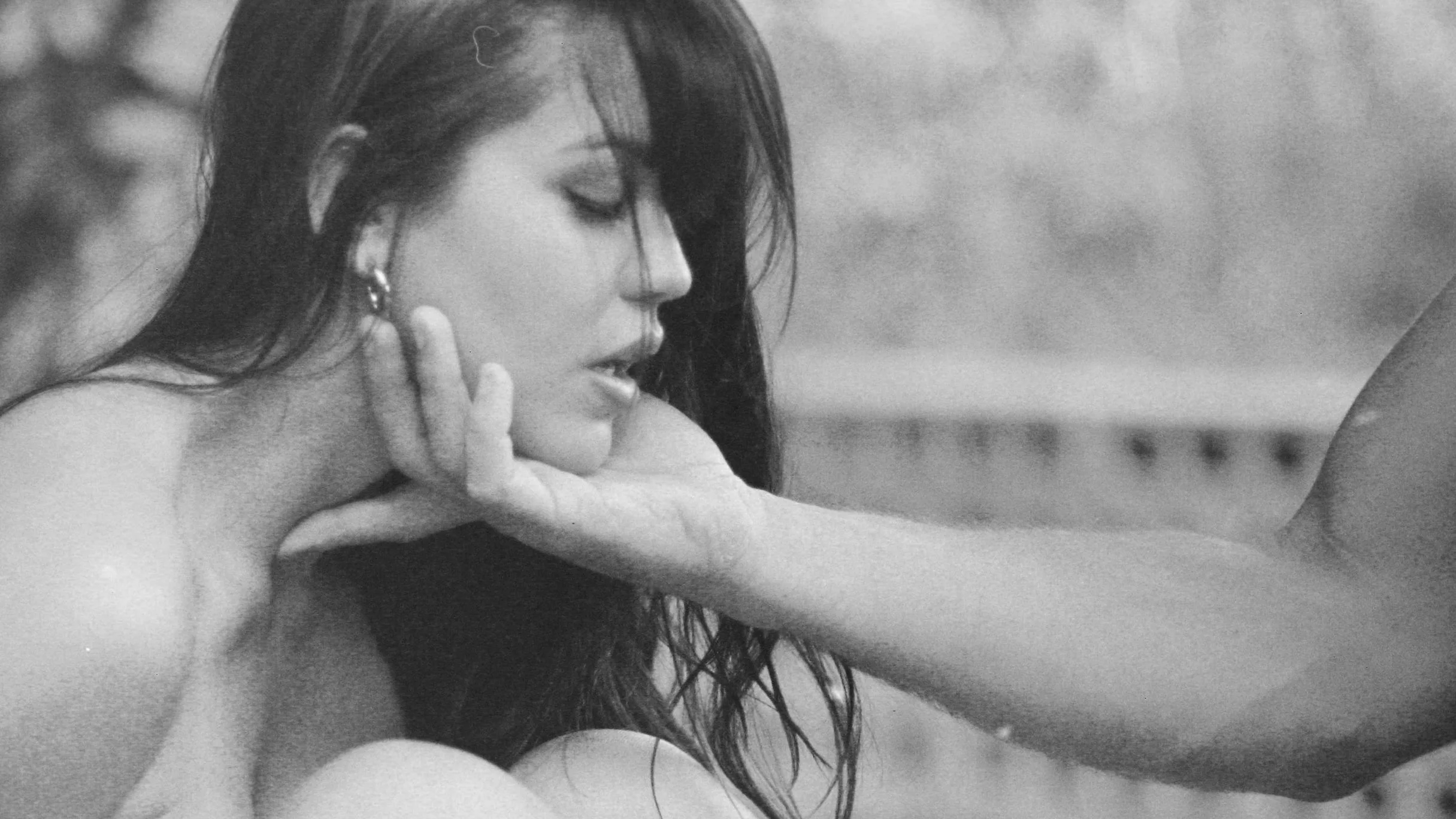
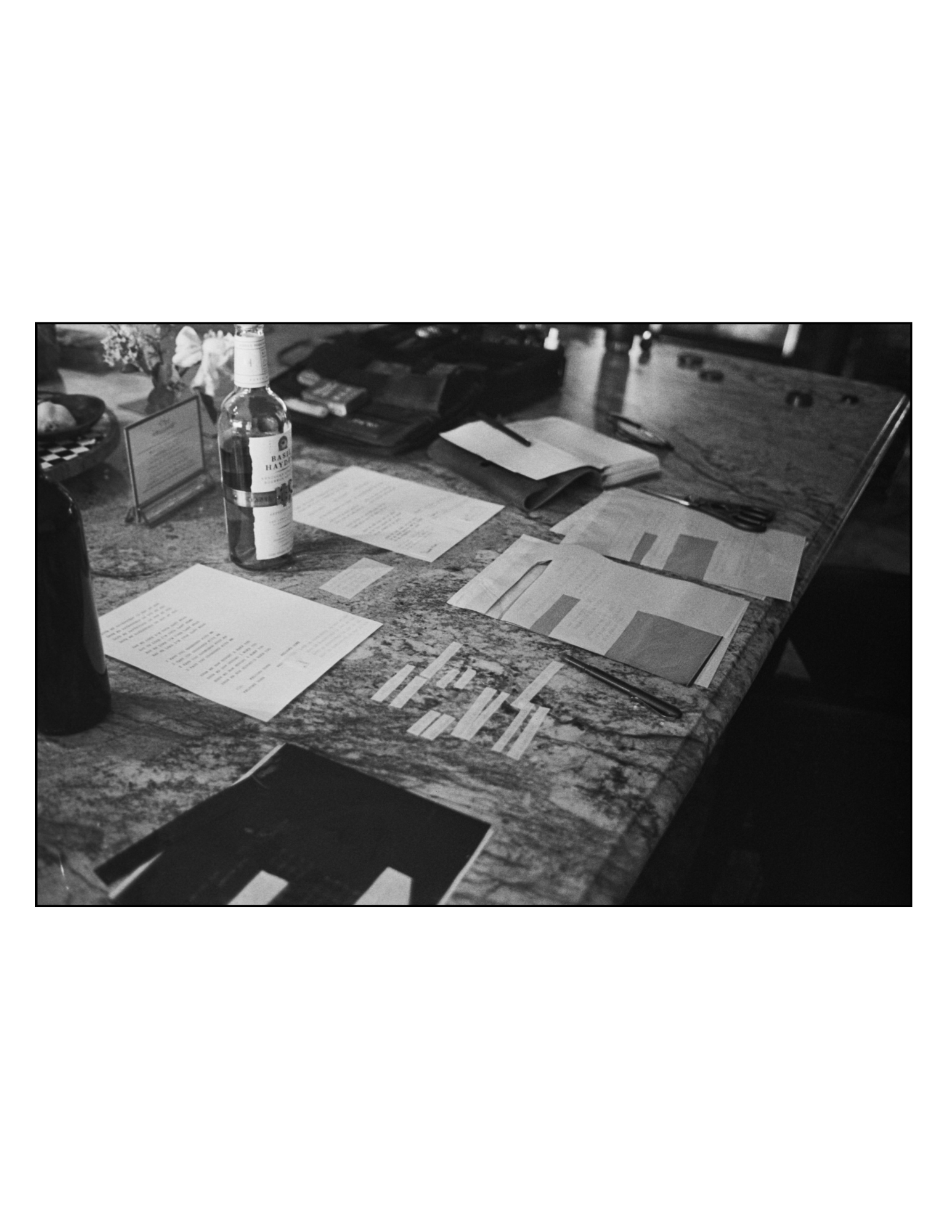
On some level, I believe we are all terrified of mundanity. We vie for professional success, work endlessly to improve our finances, and reach perpetually for more and for better in part because we need to feel something. Maybe unreasonable extravagance is our greatest revolt against the mundane. Maybe we are all like children cutting out snowflakes from tissue paper to adorn our walls because in creating beautiful things we are reminded of what it means to be alive.
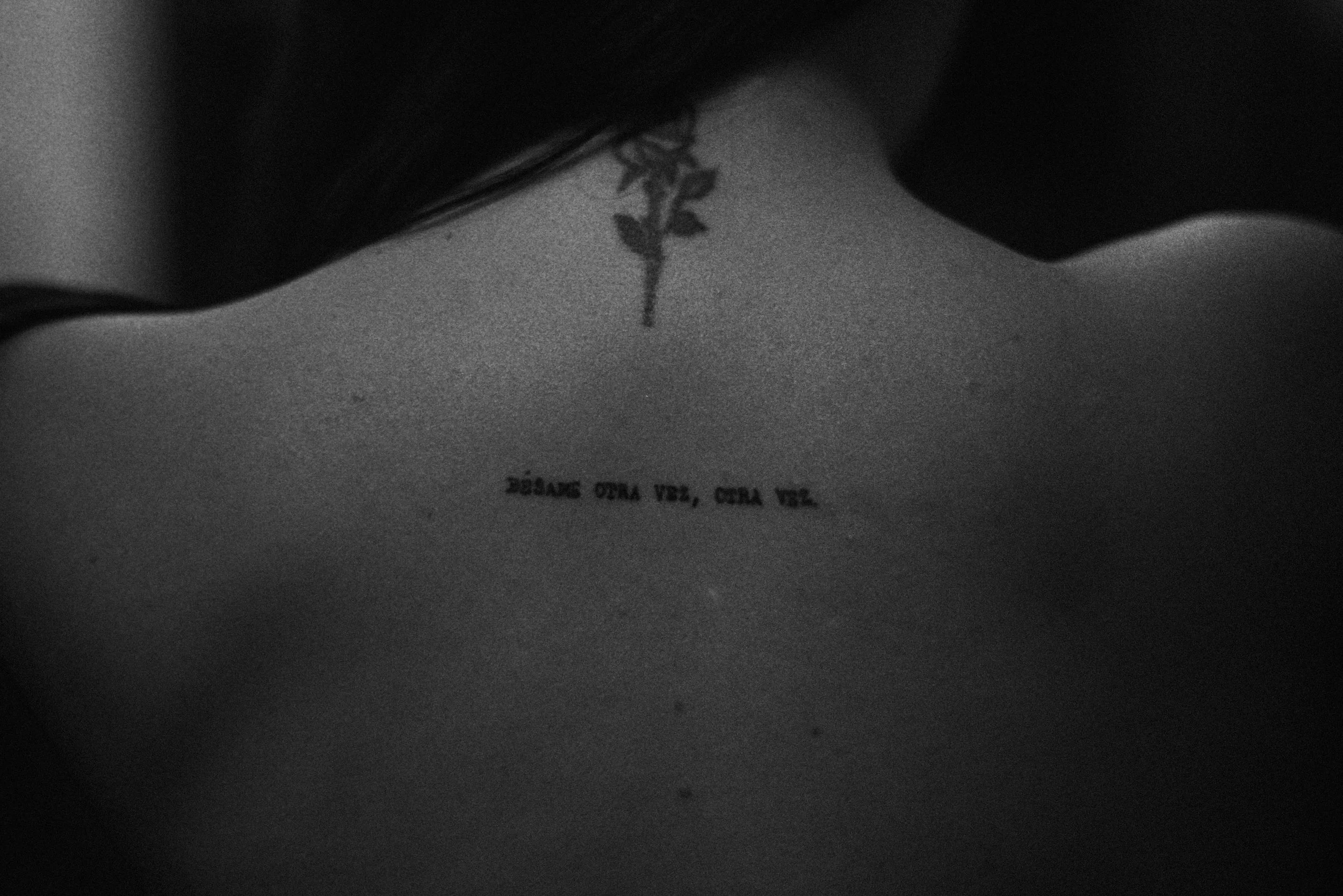
For The Artists, there is no replacement for the whimsical, for the extravagant, for the unnecessarily bold. There is no replacement for time spent among spaces curated over decades and imbued with so many multitudes of stories. That spaces like this continue to exist is the great treasure of our time on this earth.
The work I created at Ivy Manor drips with emotion and context. It is in part the culmination of the light, the essence, the people, the time in space. But it also contains something greater than the sum of its parts.
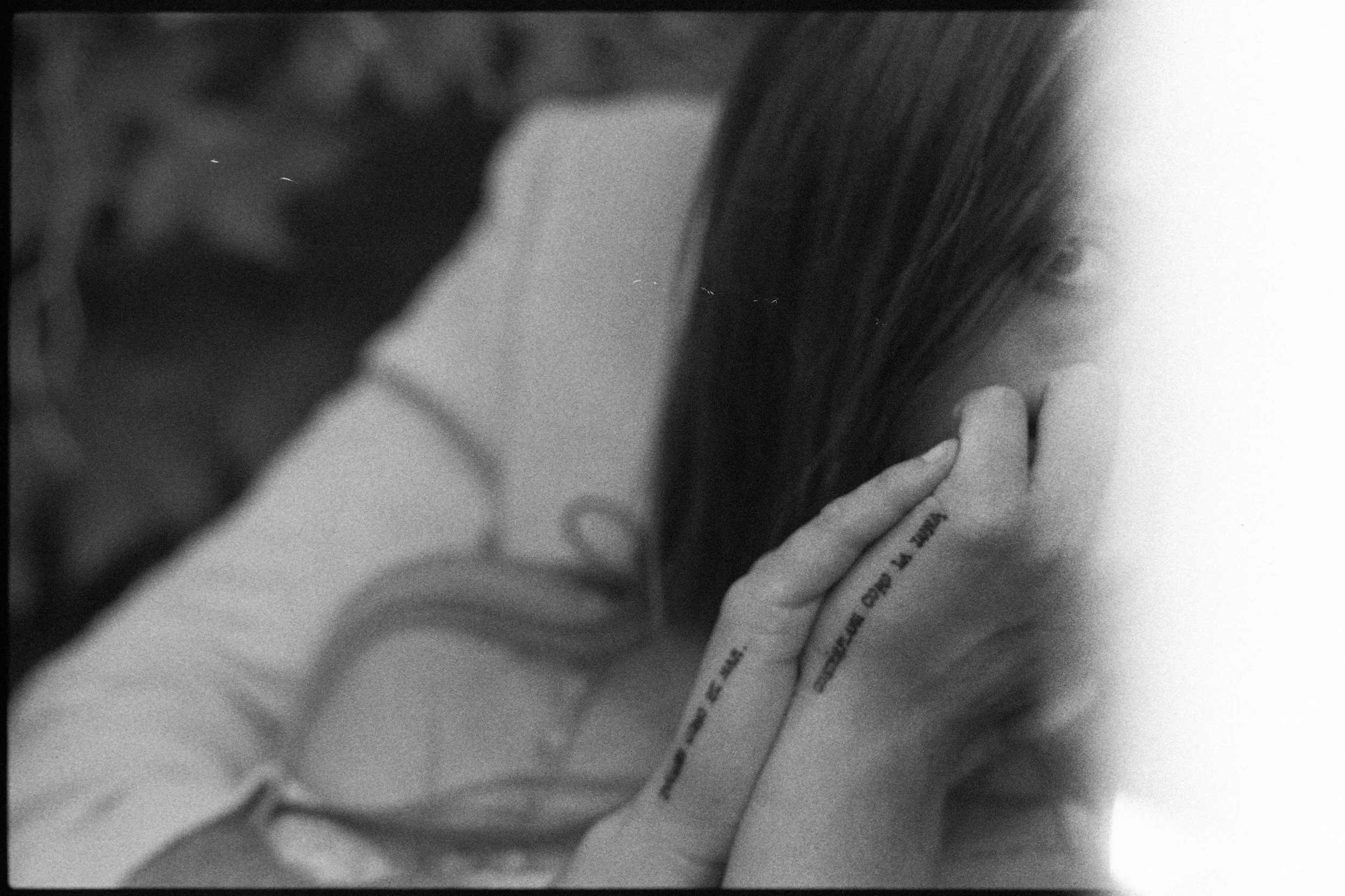
I maintain that, as artists, we are not documentarians. We are here to convey meaning, not just fact. A faithful portrait of a human face conveys emotion, not just the details of its architecture.
And so it is with our environments. In surrounding ourselves with stories, with history, with emotion catalogued in the product of someone’s long-held dedication, we feed the wellspring of our creativity. There is magic involved in artistic creation. Strangeness and extravagance are necessary ingredients in our alchemy. It is our duty as artists to steep in this extravagance, and to create extravagantly as well, that we might keep alive the canon of meaningful art as an expression of our aliveness. If we’re lucky, our bizarre contributions to the soul of the world will outlive us. And maybe it isn’t vanity that drives us to thus become immortal, but a deep knowing that to create boldly is selfless beyond measure.
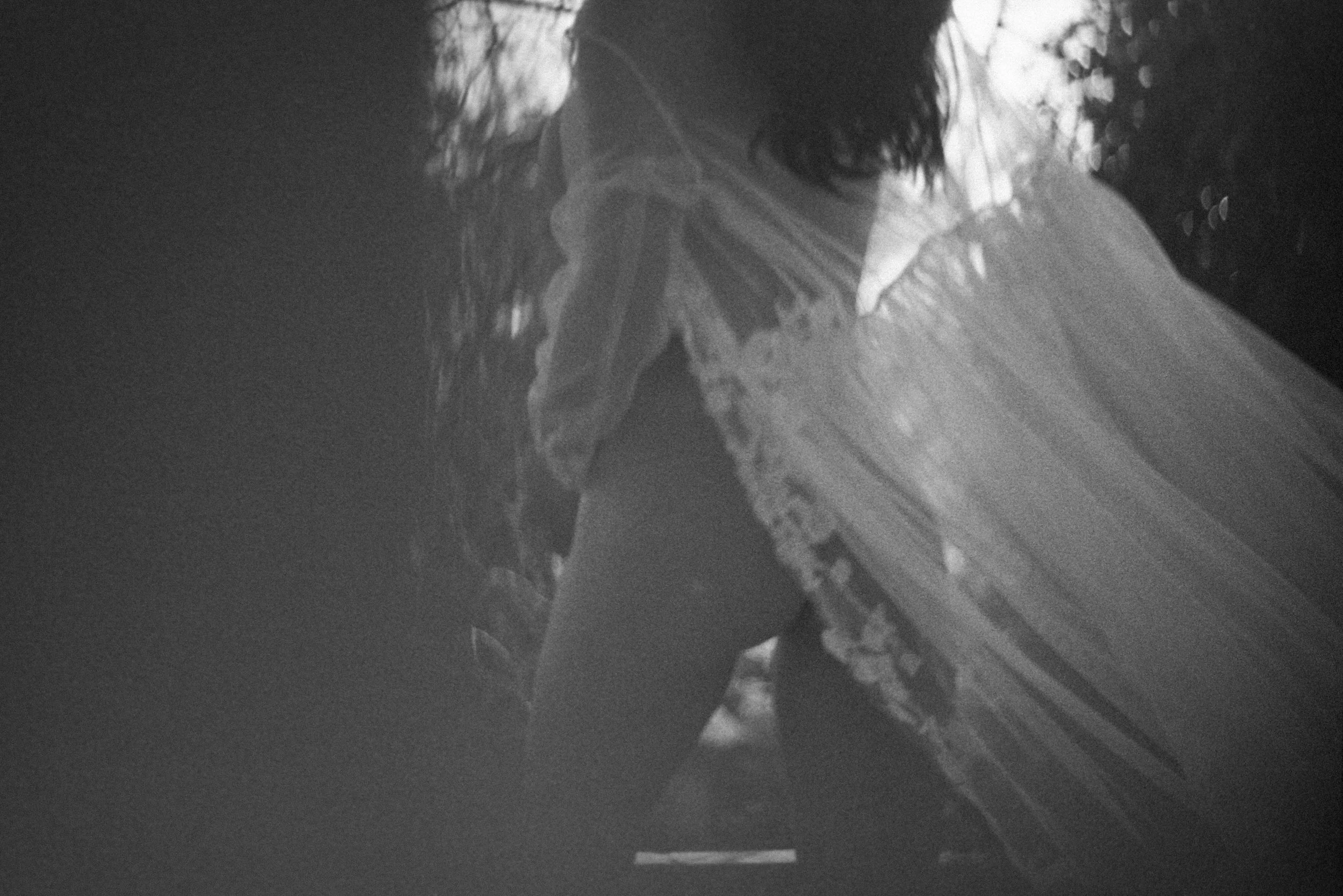
That in creating enduring work, work that will survive long after we have left, we feed the pulse of creativity in every artist that is yet to come.
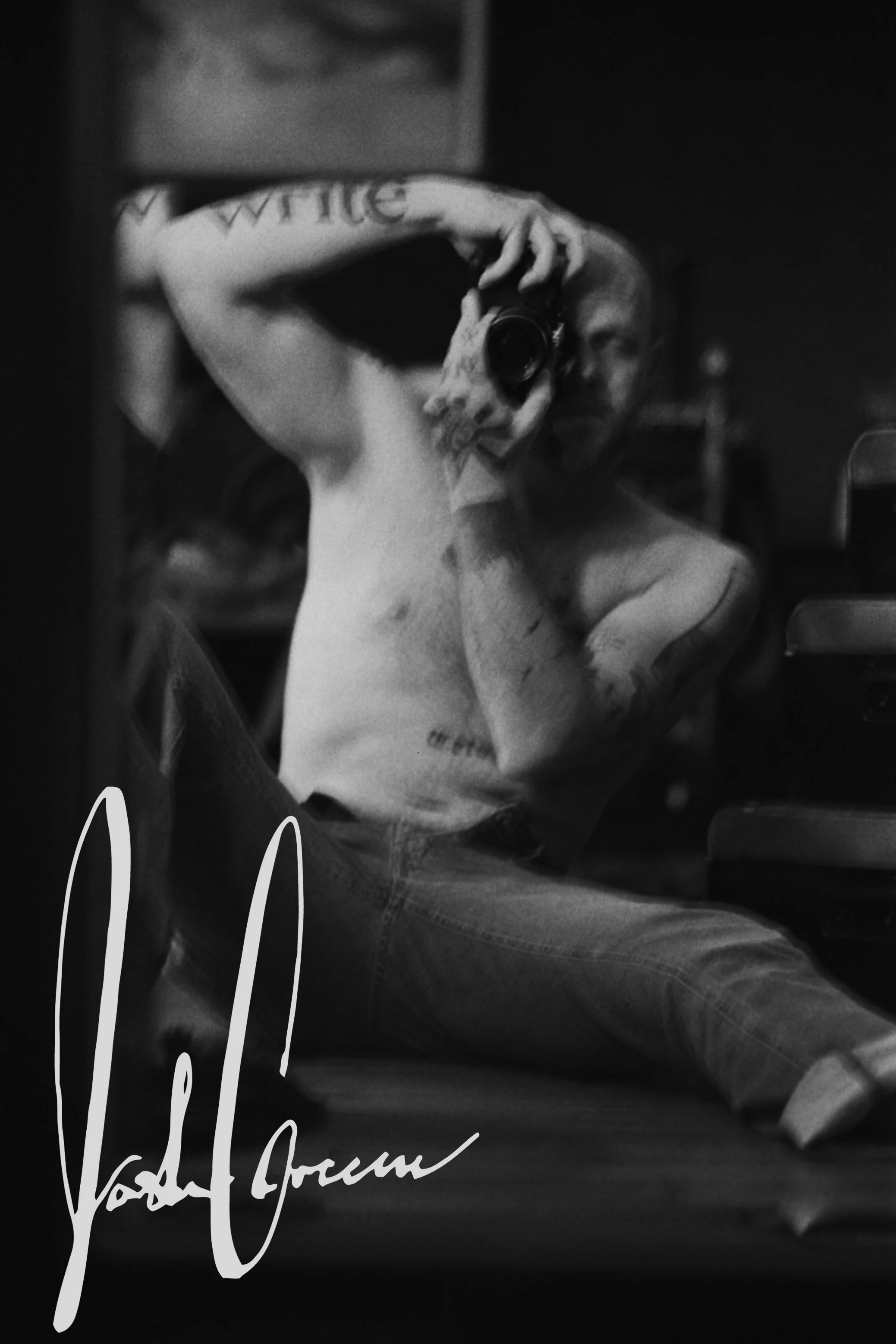
Blog post written by J.P. Greene, inspired by his time spent at Ivy Manor
Poet & Author @typewrittenlovenotes